Why Urban Green Spaces Are Essential for Cities

Apr 14, 2026 • 4 min read
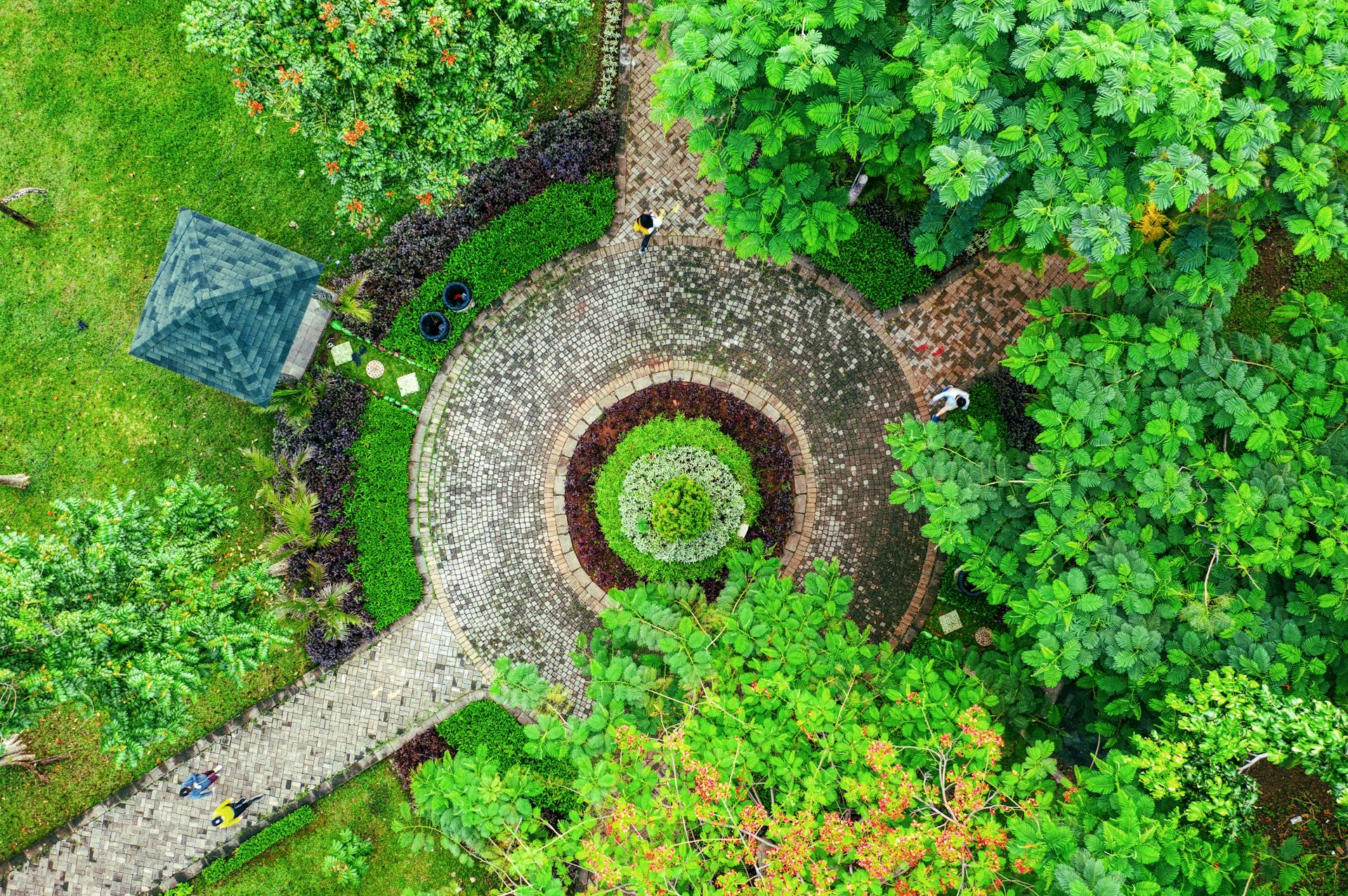
In the middle of busy city life—where traffic, noise, and concrete dominate—green spaces often feel like a luxury. But in reality, they are not optional. Parks, gardens, and tree-lined streets are essential for creating healthier, more livable cities.
As urban areas continue to grow, the importance of green spaces becomes even more critical. They are not just places for relaxation—they play a vital role in improving both our environment and our daily lives.
A Breath of Fresh Air in a Concrete World
Cities are often associated with pollution, overcrowding, and limited access to clean air. Urban green spaces help counter these challenges by acting as natural air filters.
Trees and plants absorb harmful pollutants and release oxygen, improving overall air quality. Even a small park or a row of trees along a street can make a noticeable difference. For city residents who are constantly exposed to pollution, these green areas offer a much-needed breath of fresh air.
Supporting Mental Health and Well-Being
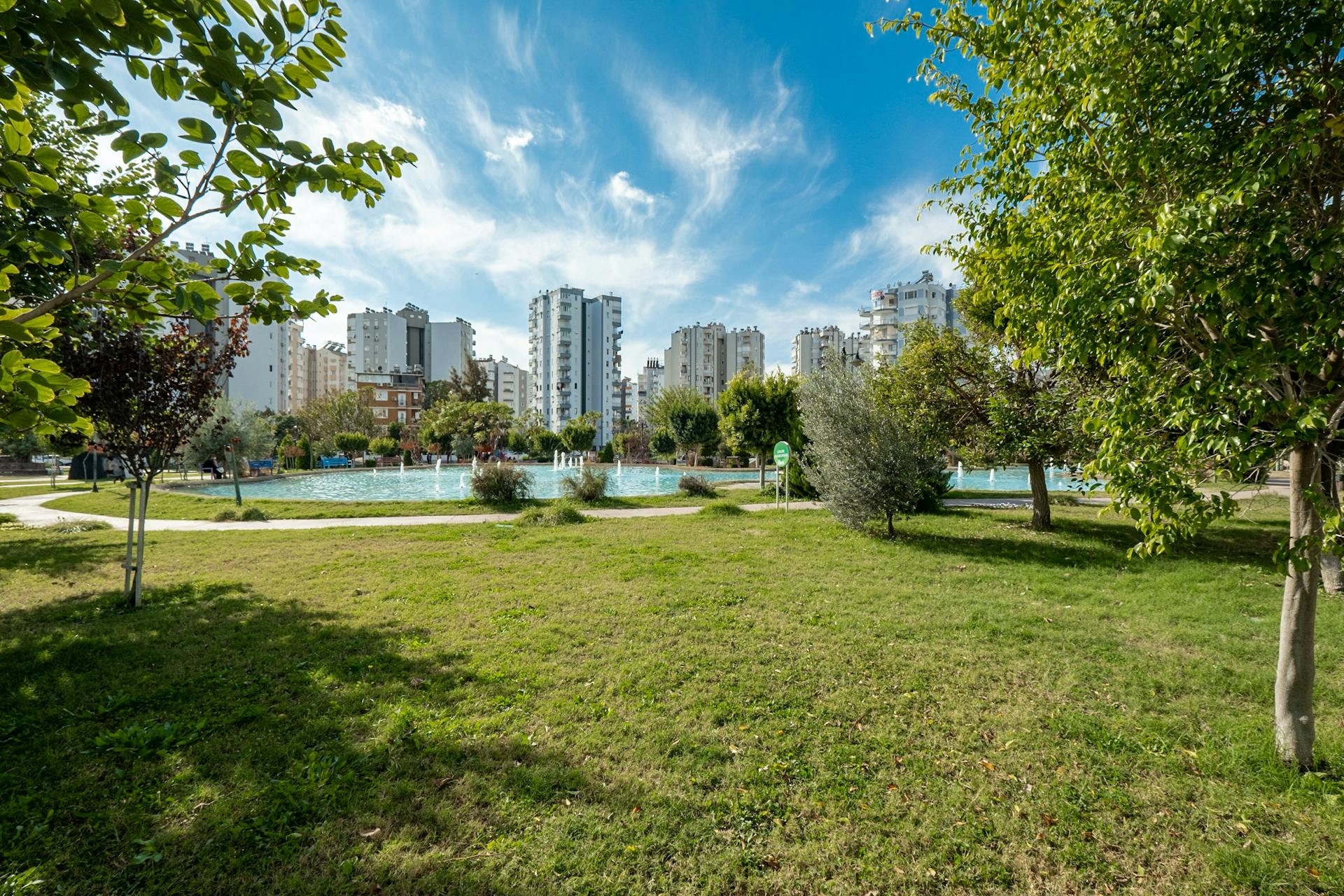
Modern city life can be stressful. Long working hours, traffic congestion, and constant noise can take a toll on mental health.
Green spaces provide a natural escape. Spending time in nature—even for a short walk—can reduce stress, improve mood, and boost overall well-being. Studies have shown that people who live near parks or green areas tend to feel happier and more relaxed.
These spaces offer a break from the fast pace of urban life, allowing people to slow down, unwind, and reconnect with themselves.
Encouraging Physical Activity
Urban green spaces also promote a healthier lifestyle. Parks and open areas create opportunities for physical activities such as walking, jogging, cycling, or simply spending time outdoors.
In cities where space is limited, these areas become important hubs for exercise and recreation. They encourage people of all ages to stay active without needing expensive gym memberships.
When cities invest in green spaces, they are also investing in the physical health of their residents.
Building Stronger Communities
Green spaces are not just about nature—they are also about people.
Parks and public gardens act as social spaces where individuals and families can gather, interact, and build connections. Children play together, friends meet, and communities come alive.
In a world where people are becoming increasingly disconnected, these shared spaces help foster a sense of belonging. They bring people from different backgrounds together and strengthen community bonds.
Reducing Urban Heat and Improving Climate
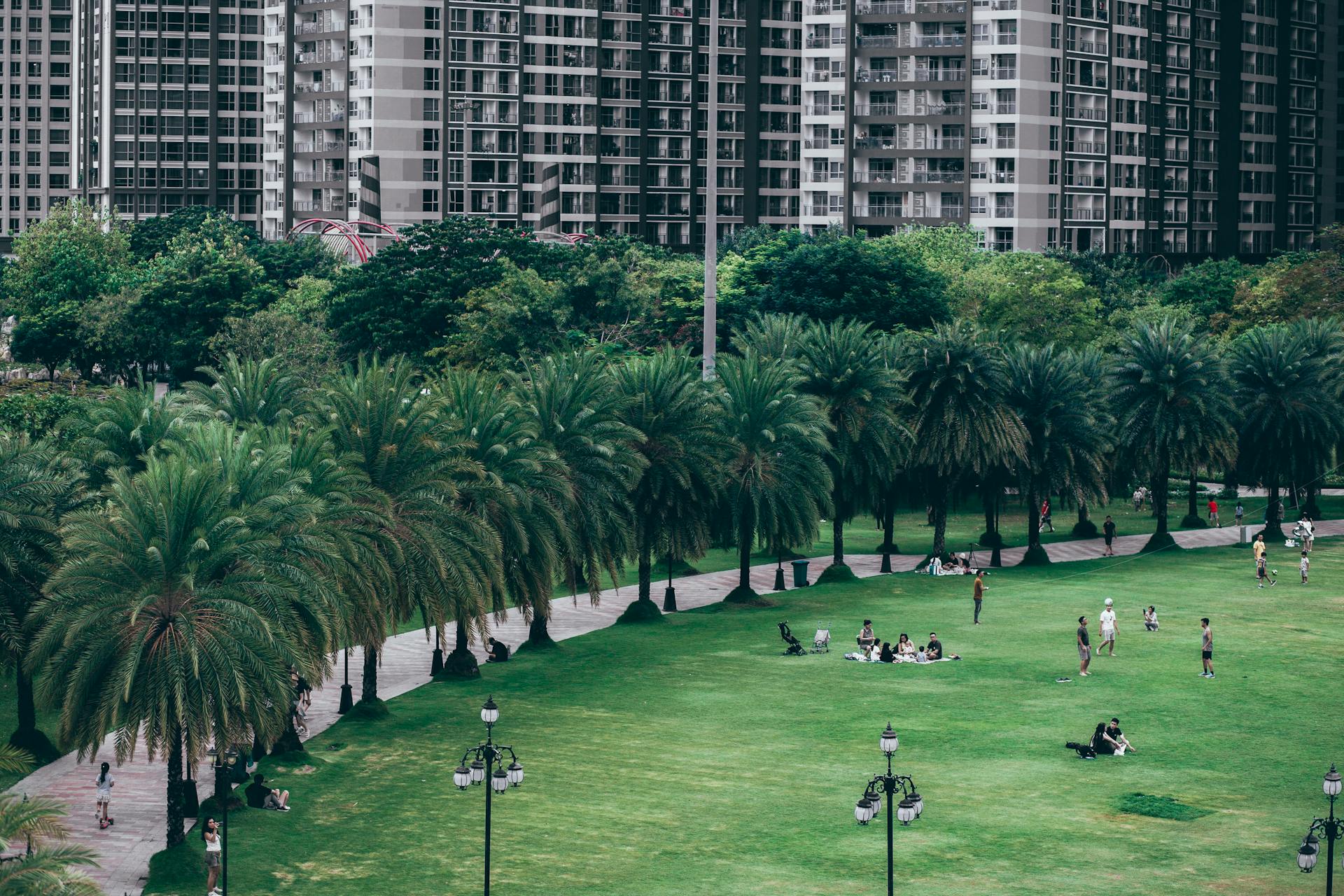
Cities tend to be warmer than surrounding rural areas due to concrete structures and limited vegetation. This phenomenon, known as the “urban heat island effect,” can make cities uncomfortable and even dangerous during extreme heat.
Green spaces help regulate temperature by providing shade and cooling the air through natural processes. Trees, in particular, play a crucial role in reducing heat and making urban environments more comfortable.
As climate change continues to impact cities worldwide, green spaces are becoming an important tool for climate adaptation.
Supporting Biodiversity in Urban Areas
Even in highly developed cities, green spaces provide habitats for birds, insects, and small animals. These areas help maintain biodiversity and create a balance within the ecosystem.
Without green spaces, urban environments would become lifeless and disconnected from nature. By preserving and expanding these areas, cities can support wildlife and promote ecological sustainability.
A Small Change with a Big Impact
Urban green spaces may seem simple, but their impact is profound. They improve air quality, support mental and physical health, strengthen communities, and help cities adapt to environmental challenges.
As cities continue to expand, it is important not to overlook the value of nature. Incorporating green spaces into urban planning is not just about aesthetics—it is about creating a better quality of life for everyone.
In the end, a city without green spaces is not truly livable. But with them, it becomes a place where people can not only live—but thrive.