How Climate Change Affects Animal Habitats

Apr 14, 2026 • 4 min read
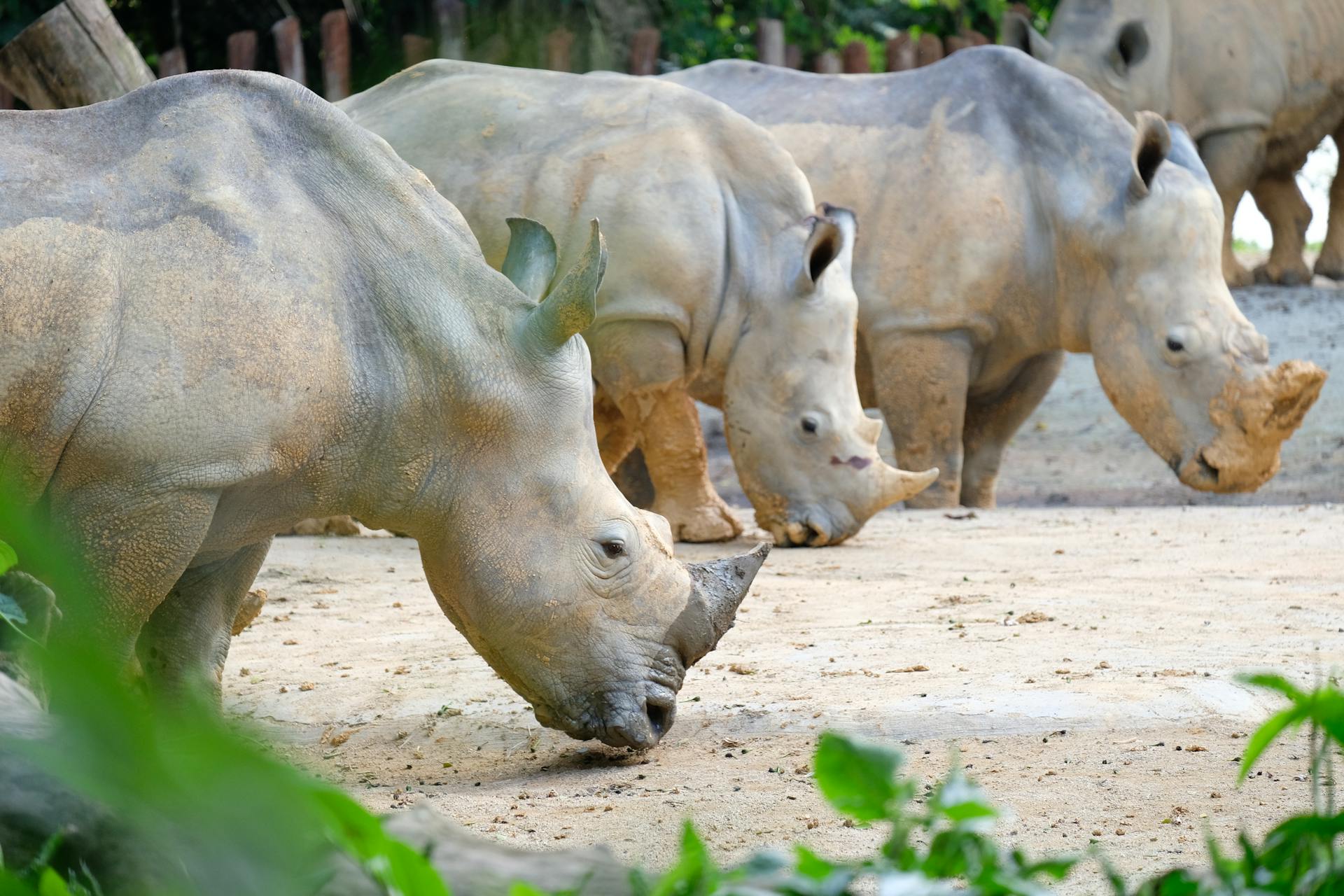
When we talk about climate change, we often focus on rising temperatures, melting glaciers, or extreme weather. But beyond these visible changes, there is a quieter, more heartbreaking impact—animals are losing their homes.
Every species depends on a specific environment to survive. Whether it’s a dense forest, a frozen tundra, a coral reef, or a wetland, these habitats provide food, shelter, and the right conditions for life. But as the climate changes, these environments are shifting, shrinking, or disappearing altogether.
Changing Temperatures Disrupt Natural Balance
Animals are highly adapted to their surroundings. Even small changes in temperature can affect their survival.
As global temperatures rise, many habitats become unsuitable for the species that once thrived there. For example, animals living in colder regions struggle as ice melts and temperatures increase. On the other hand, species in already warm regions may find it difficult to cope with extreme heat.
These changes force animals to move in search of better conditions. However, not all species can migrate easily. Some are limited by geography, while others cannot adapt quickly enough, putting them at risk.
Loss of Habitat Due to Extreme Weather
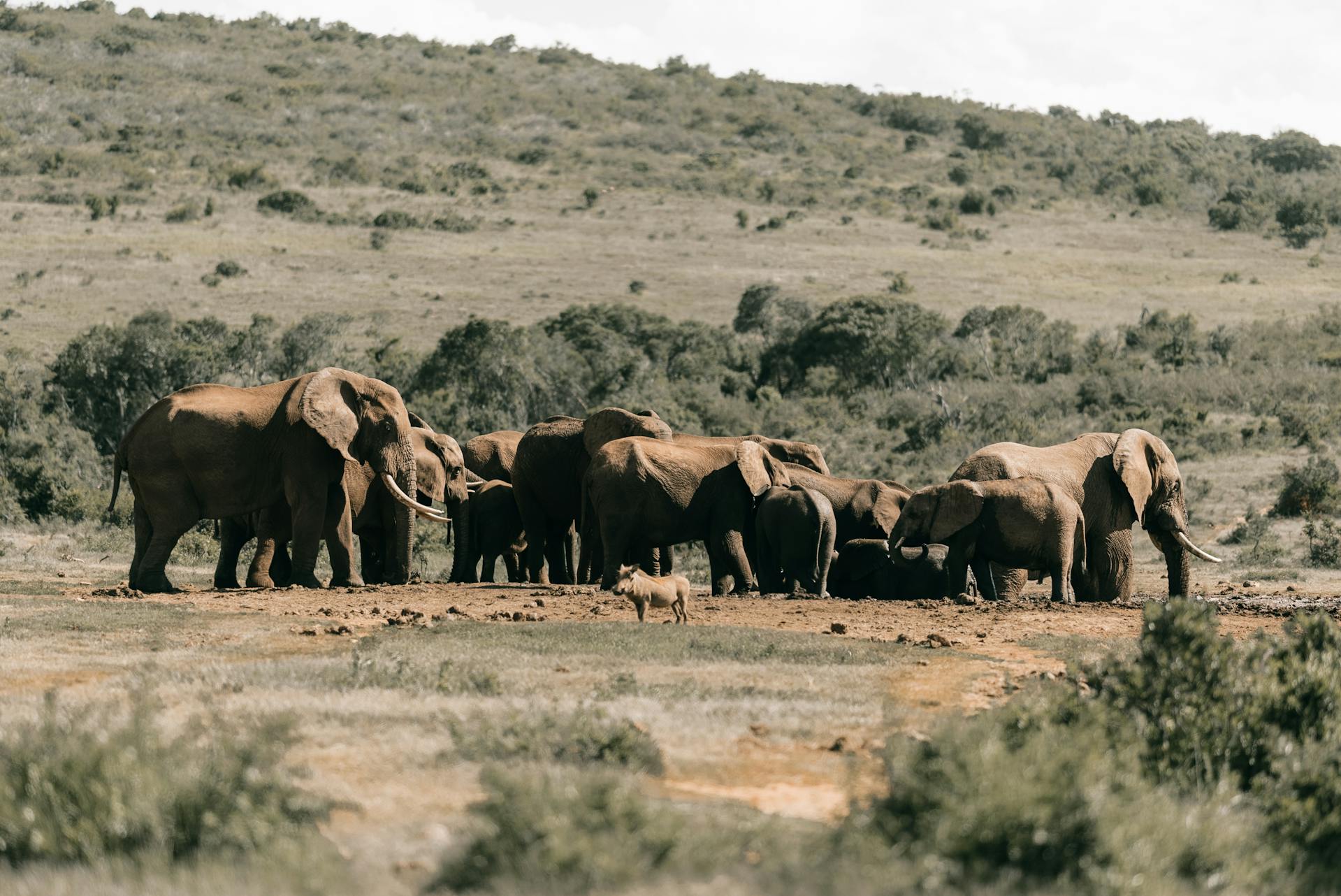
Climate change is increasing the frequency and intensity of extreme weather events such as floods, droughts, and wildfires.
These events can destroy habitats in a matter of days. Forest fires can wipe out large areas of vegetation, leaving animals without food or shelter. Floods can wash away nesting grounds, while droughts can dry up water sources that animals depend on.
For many species, rebuilding or relocating is not simple. The loss of habitat often leads to a decline in population and, in some cases, extinction.
Melting Ice and Rising Sea Levels
Some of the most visible effects of climate change can be seen in polar regions and coastal areas.
Melting ice is shrinking the habitats of animals that depend on it for survival. Species that rely on ice for hunting, resting, or breeding are particularly vulnerable as these areas disappear.
At the same time, rising sea levels are affecting coastal ecosystems. Wetlands and mangroves, which serve as critical habitats for many species, are being submerged or eroded.
These changes disrupt entire ecosystems and force animals to compete for limited space and resources.
Disruption of Food Chains
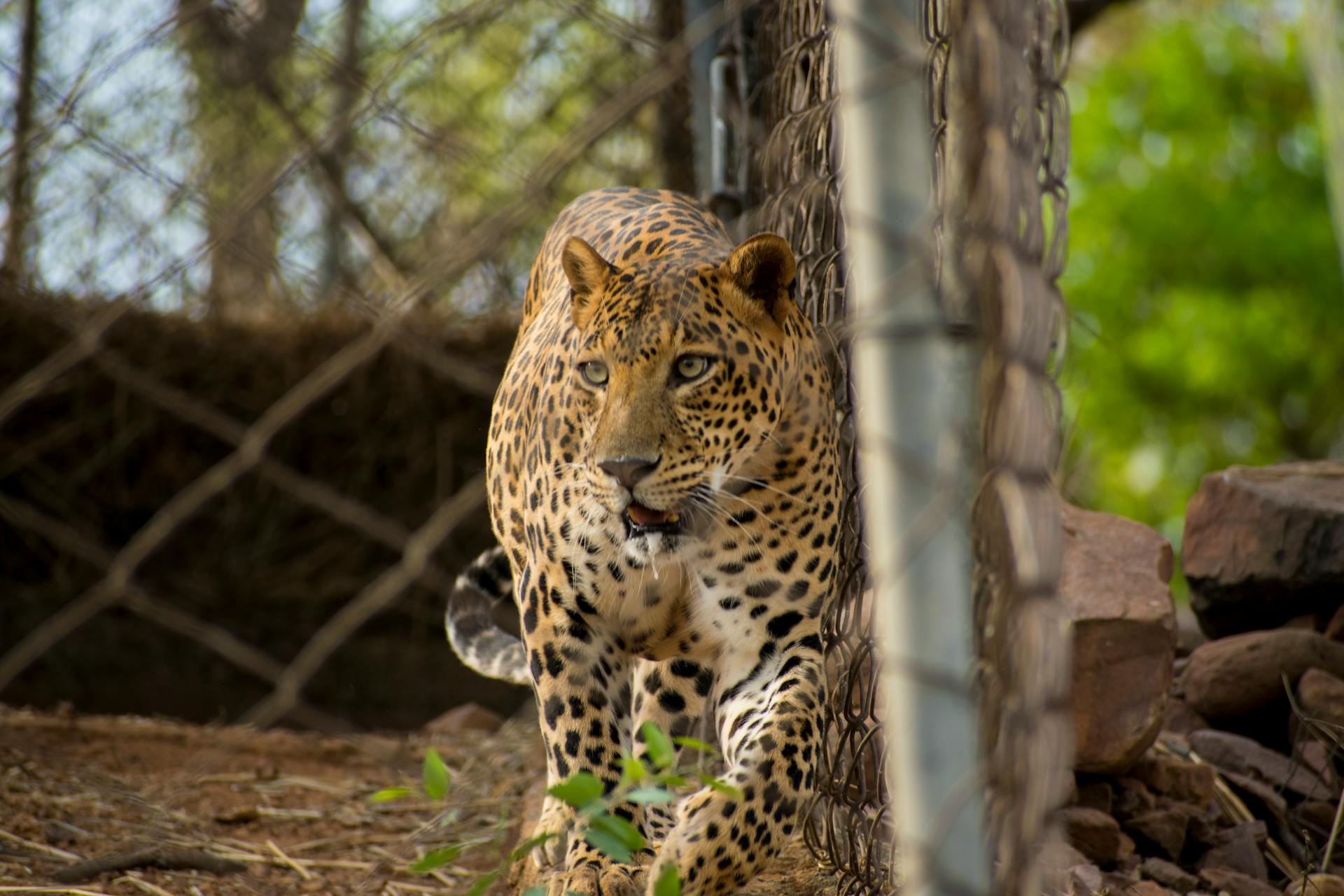
Climate change doesn’t just affect habitats—it also disrupts the availability of food.
Changes in temperature and weather patterns can alter the growth of plants and the behavior of prey species. This creates a ripple effect throughout the food chain.
For example, if a primary food source becomes scarce or shifts location, predators may struggle to find enough food. This imbalance can lead to population declines and further instability within ecosystems.
Animals that rely on seasonal changes for feeding or breeding may also be affected if these patterns become unpredictable.
Impact on Migration and Breeding Patterns
Many animals depend on natural seasonal cues to migrate, reproduce, or find food. Climate change is altering these patterns.
Warmer temperatures may cause plants to bloom earlier or insects to appear sooner than usual. If animals do not adjust their timing accordingly, they may miss critical feeding opportunities.
Similarly, migration routes may become unsafe or less effective due to changing environmental conditions. This can reduce survival rates and affect future generations.
Increased Pressure on Vulnerable Species
Some species are more adaptable than others. While a few may adjust to changing conditions, many struggle to survive.
Animals that are already endangered or have limited habitats are especially at risk. As their environments continue to change, their chances of survival decrease.
Human activities, such as deforestation and urban development, further limit the space available for wildlife, making it even harder for them to adapt.
A Shared Responsibility
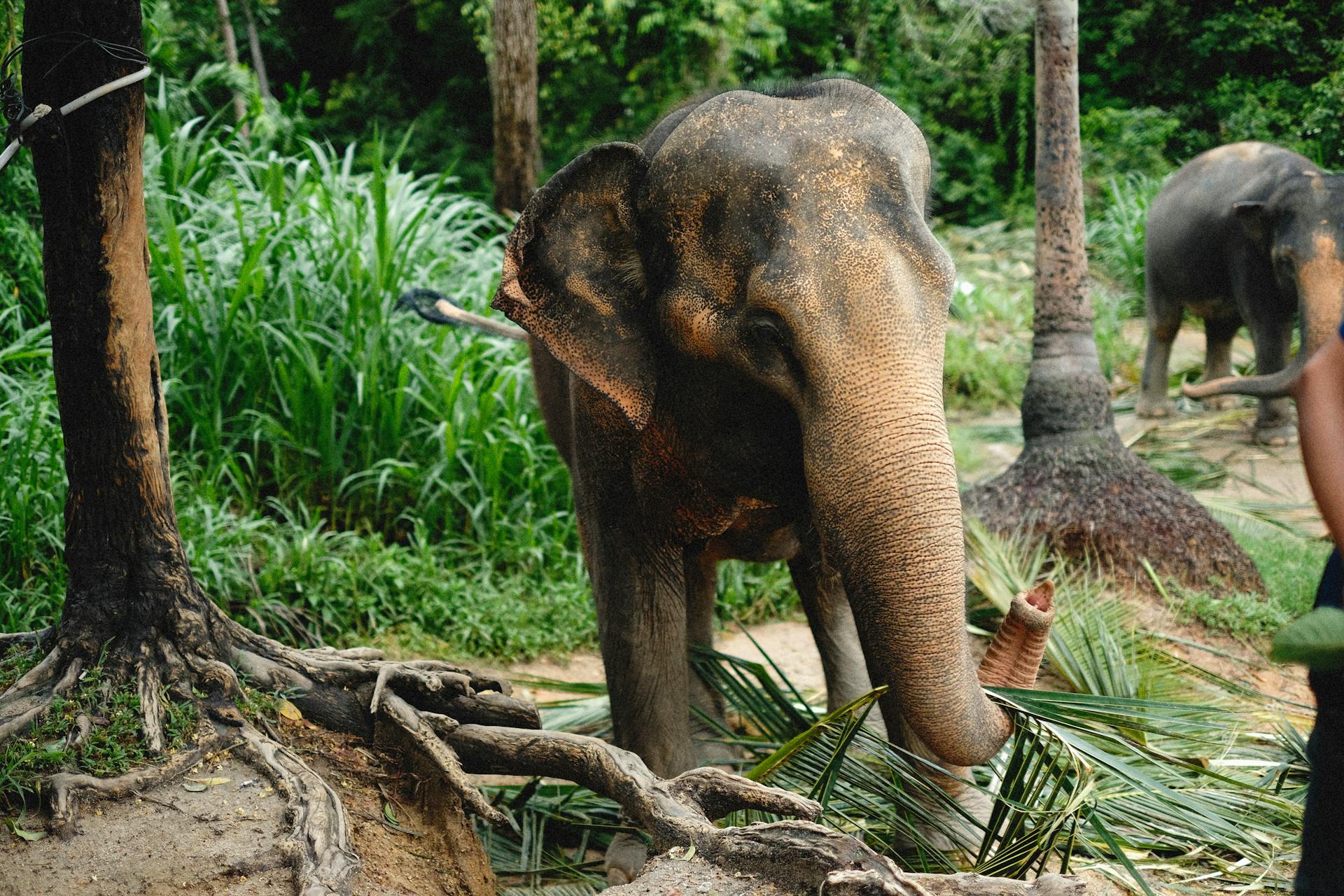
The impact of climate change on animal habitats is not just an environmental issue—it is a reflection of how deeply connected all life on Earth is.
When animals lose their habitats, ecosystems become unstable, and the balance of nature is disrupted. This, in turn, affects human life as well.
Protecting animal habitats requires collective effort. Reducing emissions, conserving natural areas, and supporting sustainable practices are all part of the solution.
Final Thoughts
Climate change is transforming the natural world in ways that are both visible and unseen. For animals, it means losing the places they call home and facing challenges they may not be able to overcome.
But there is still hope.
By understanding the impact and taking action, we can help protect habitats and preserve the incredible diversity of life on our planet.
In the end, protecting animals and their habitats is not just about saving wildlife—it’s about protecting the future of our shared world.