How Deforestation Contributes to Climate Change

Apr 14, 2026 • 4 min read
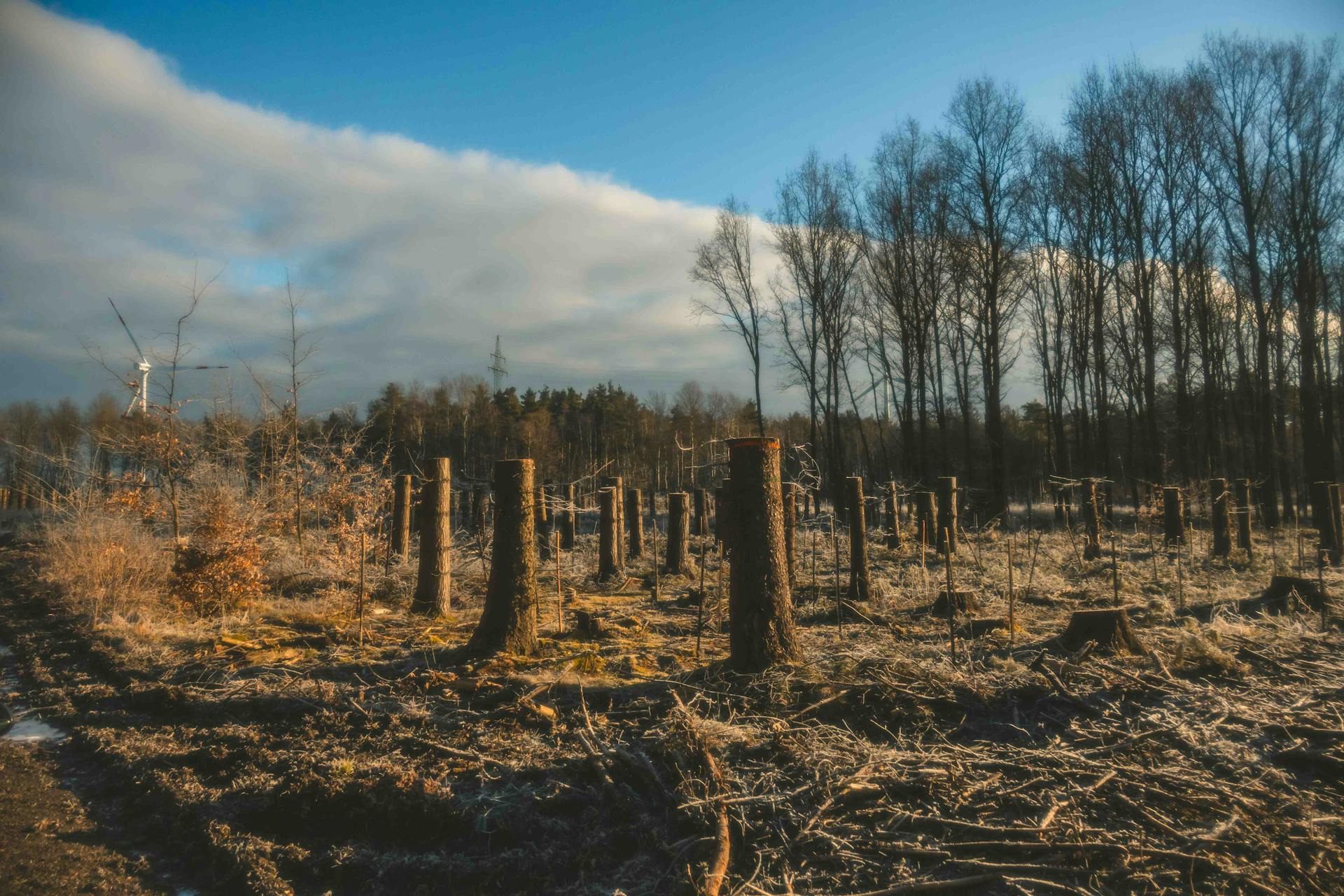
When we think about climate change, we often picture factories, cars, or rising temperatures. But one of the most powerful contributors is something quieter and often overlooked—deforestation.
Forests have always been an essential part of our planet’s balance. They cover vast areas of land, support countless forms of life, and quietly regulate the Earth’s climate. When trees are cut down at a large scale, this balance begins to break—and the effects ripple far beyond the forests themselves.
Forests as Nature’s Climate Regulators
Trees play a crucial role in controlling the amount of carbon dioxide in the atmosphere. Through a natural process, they absorb carbon dioxide and store it while releasing oxygen. This helps maintain a stable climate and keeps global temperatures in check.
When forests are healthy and abundant, they act like a massive carbon storage system. But when trees are cut down, not only is this system weakened, it is often reversed.
In many cases, the carbon stored in trees is released back into the atmosphere when they are burned or left to decay. This increase in carbon dioxide contributes directly to global warming.
The Loss of a Natural Defense System
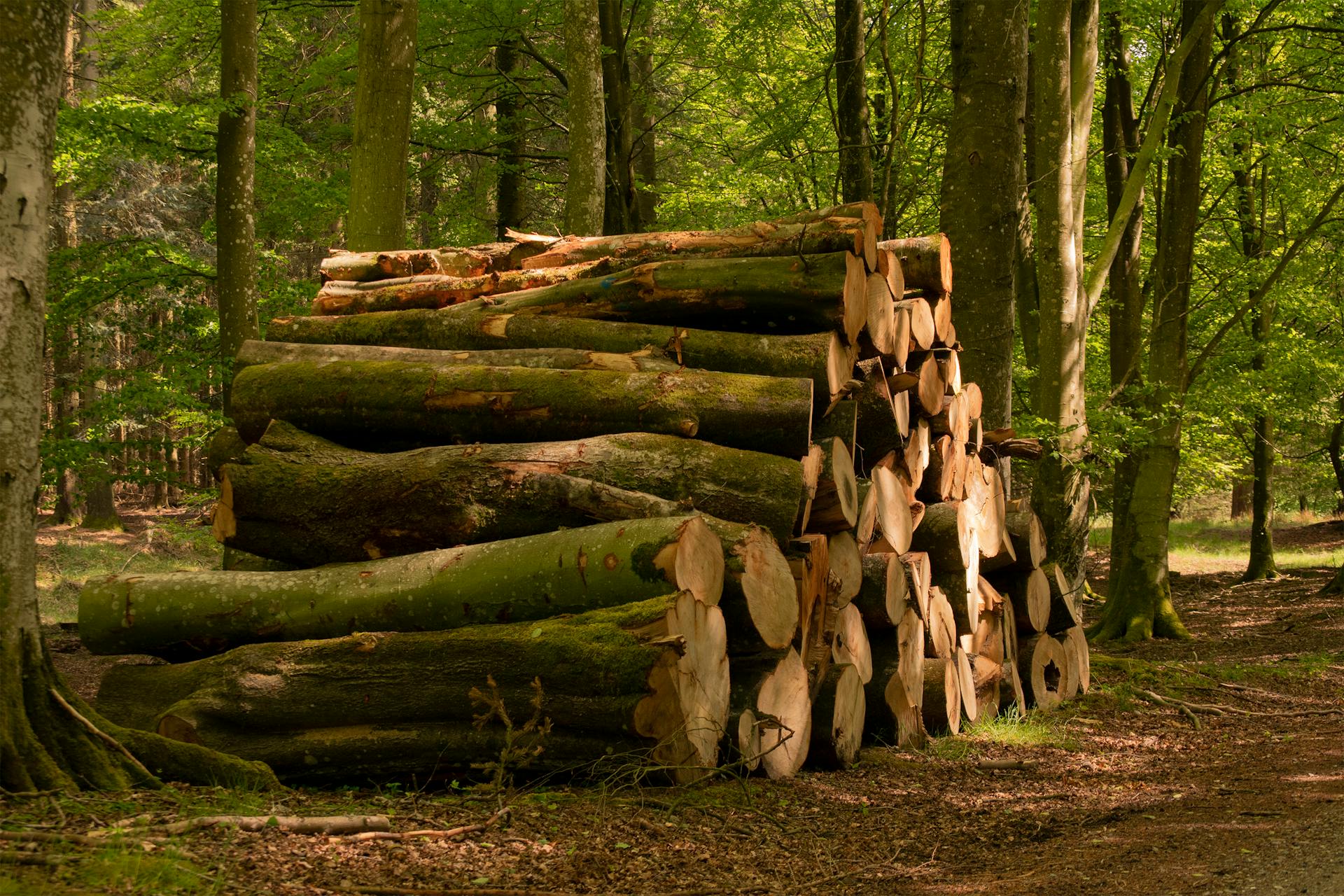
Deforestation doesn’t just add more carbon to the atmosphere—it also removes one of our strongest defenses against climate change.
With fewer trees, there is less absorption of greenhouse gases. This means more carbon dioxide remains in the air, trapping heat and accelerating the warming of the planet.
It creates a double impact:
- More emissions are released
- Less carbon is absorbed
This combination makes deforestation one of the most significant drivers of climate change.
Disrupting Rainfall and Weather Patterns
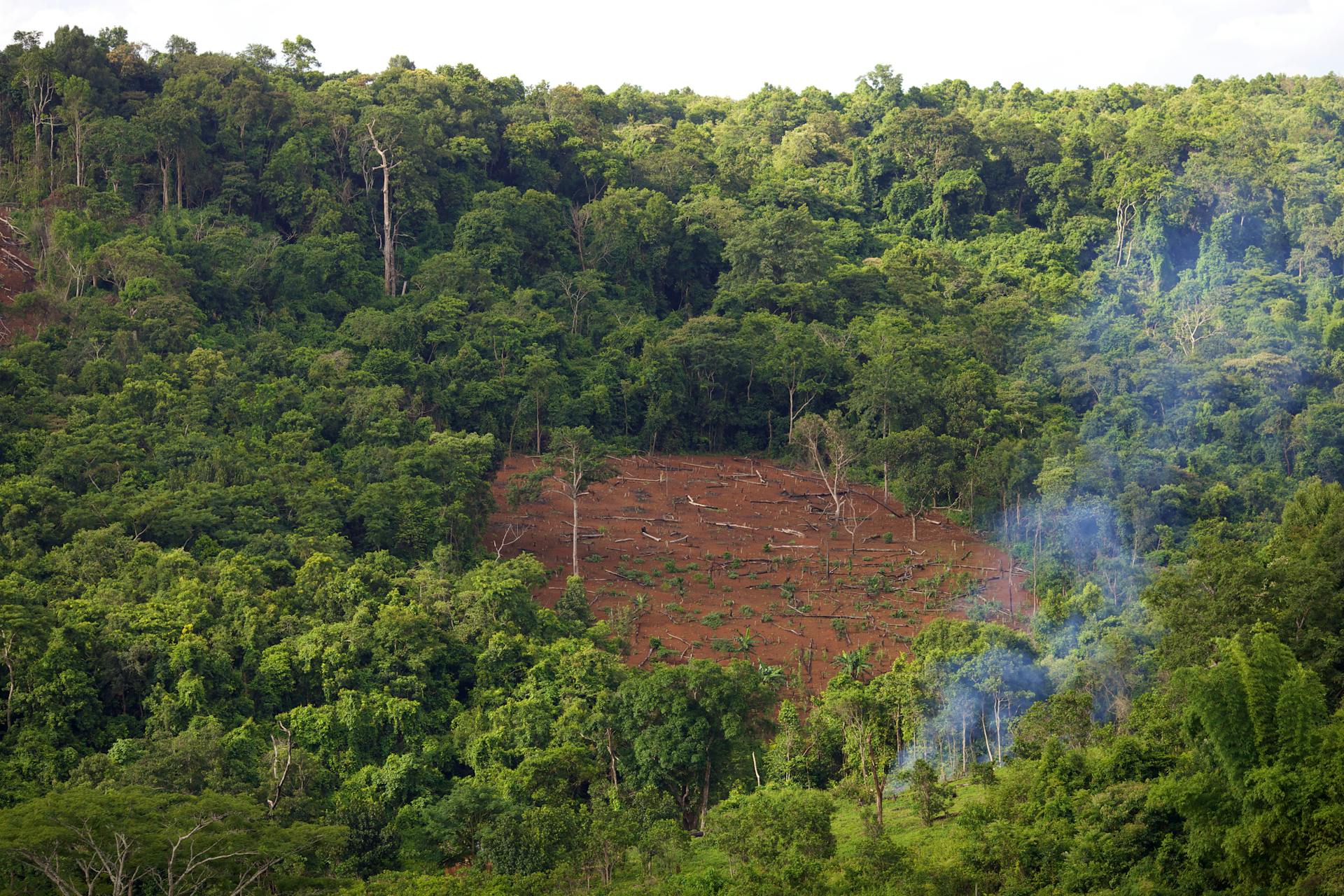
Forests do more than store carbon—they also influence weather and rainfall patterns.
Trees release moisture into the air through a process that contributes to cloud formation and rainfall. Large forest areas, especially tropical forests, play a key role in maintaining regional and even global weather systems.
When forests are cleared, this natural cycle is disrupted. Rainfall patterns can change, leading to droughts in some areas and unpredictable weather in others.
This not only affects the environment but also agriculture, water supply, and human livelihoods.
Increasing Global Temperatures
Forests help regulate temperature by providing shade and cooling the surrounding air. When they are removed, the land absorbs more heat, contributing to rising local and global temperatures.
This is particularly noticeable in areas where large-scale deforestation has taken place. The absence of tree cover makes the land hotter and less capable of retaining moisture.
Over time, this contributes to the broader issue of global warming, making extreme heat events more common and intense.
Impact on Biodiversity and Ecosystems
Deforestation also leads to the loss of habitats for countless species of plants and animals. As ecosystems collapse, the natural balance of the environment is disturbed.
Biodiversity plays an important role in maintaining healthy ecosystems, which in turn support climate stability. When species disappear, the resilience of the environment weakens.
This creates a chain reaction where environmental damage continues to grow, making it harder to recover from climate-related challenges.
Human Activities and Responsibility
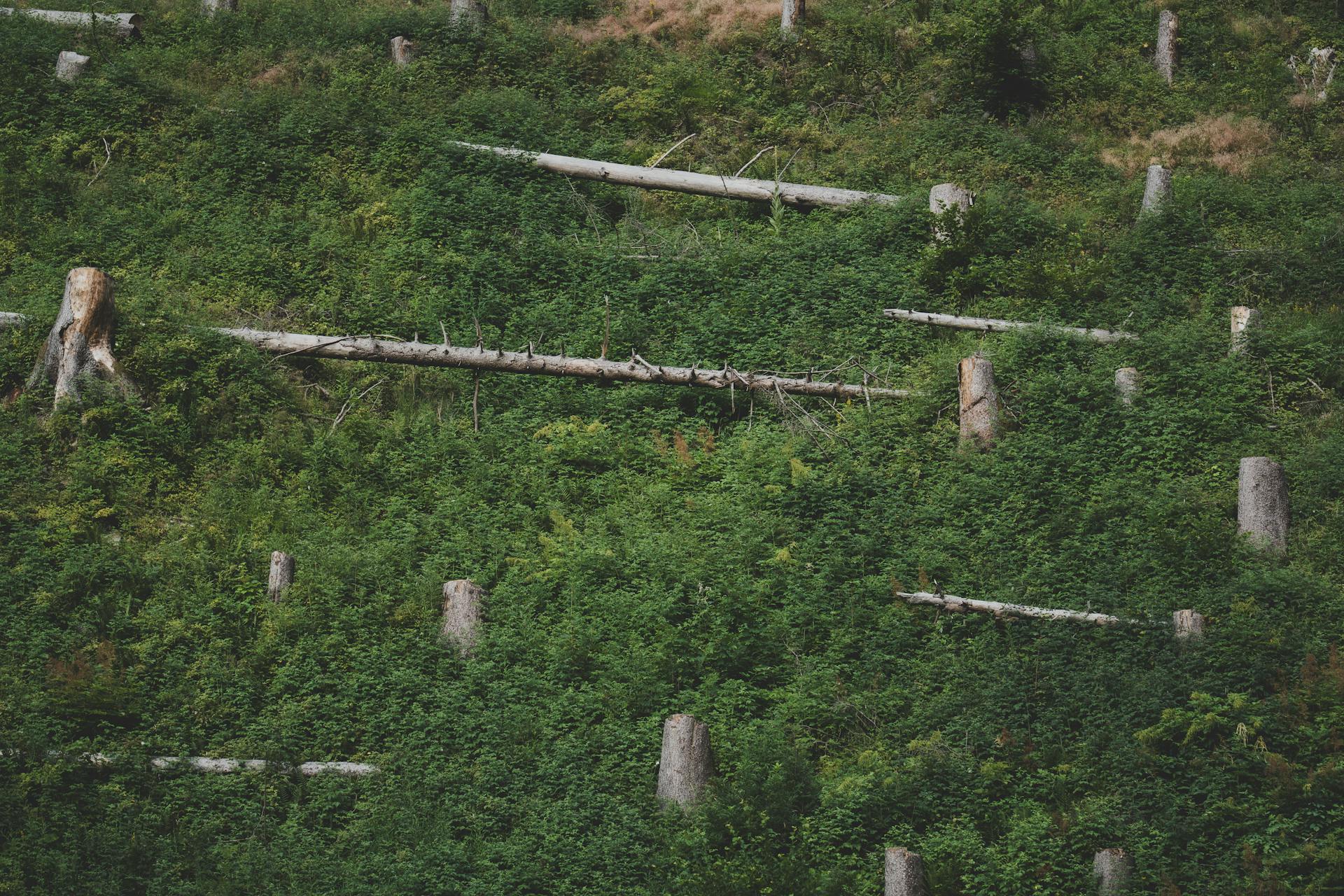
Much of deforestation is driven by human activities such as agriculture, urban expansion, and logging. While these activities often support economic growth, they come at a significant environmental cost.
Understanding the link between deforestation and climate change is the first step toward making better decisions. Sustainable practices, reforestation efforts, and responsible land use can help reduce the impact.
Even small actions, such as supporting eco-friendly products or raising awareness, contribute to a larger global effort.
A Future Worth Protecting
Deforestation is not just about losing trees—it is about losing one of the planet’s most important systems for maintaining balance.
If we continue to remove forests without considering the consequences, climate change will accelerate, bringing more extreme weather, rising temperatures, and environmental instability.
But there is still hope. By protecting forests and restoring what has been lost, we can slow down climate change and create a more sustainable future.
In the end, forests are more than just part of nature—they are essential to our survival. Protecting them means protecting the planet we all depend on.